Climate Change: The Great Displacement
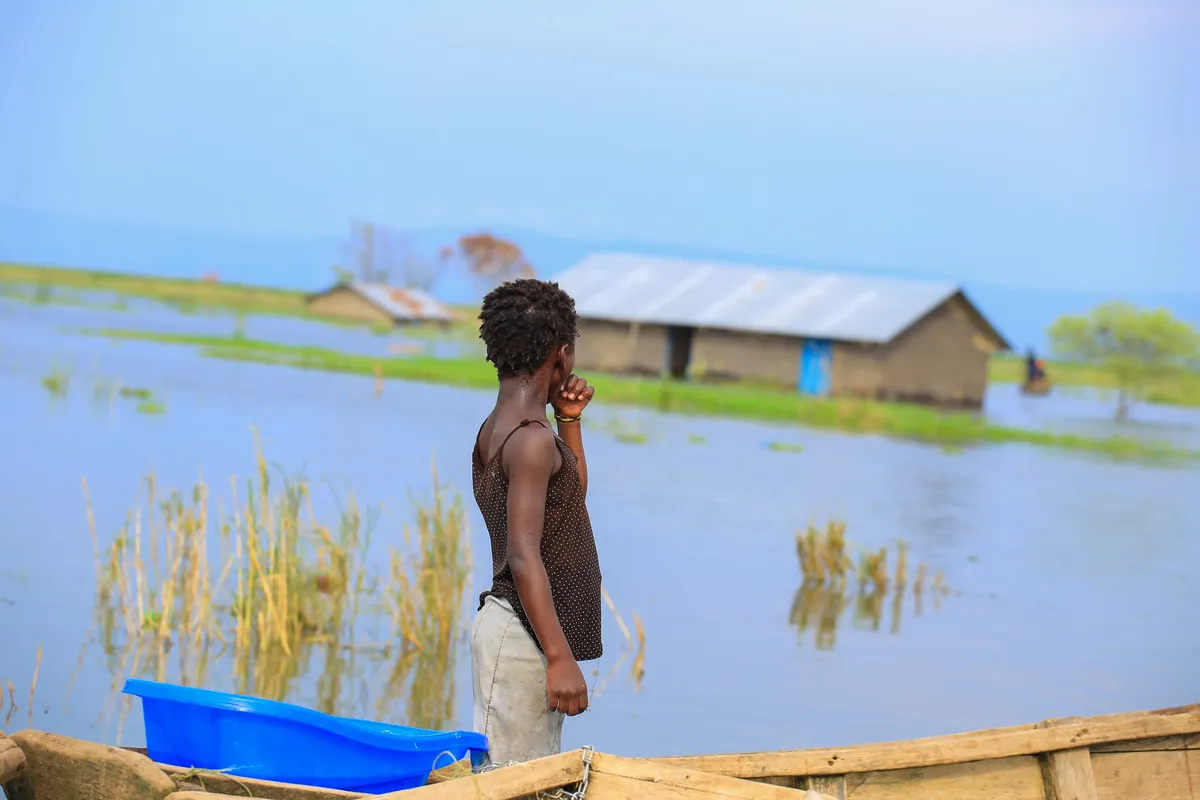
Climate-induced displacement refers to the forced movement of people whose homes and livelihoods become uninhabitable due to sea-level rise, extreme weather, coastal erosion, drought, or other environmental degradation linked to global warming. Unlike refugees fleeing war or persecution, climate migrants leave behind land that has become physically impossible to occupy — their homes do not burn down from conflict; they sink beneath rising tides.
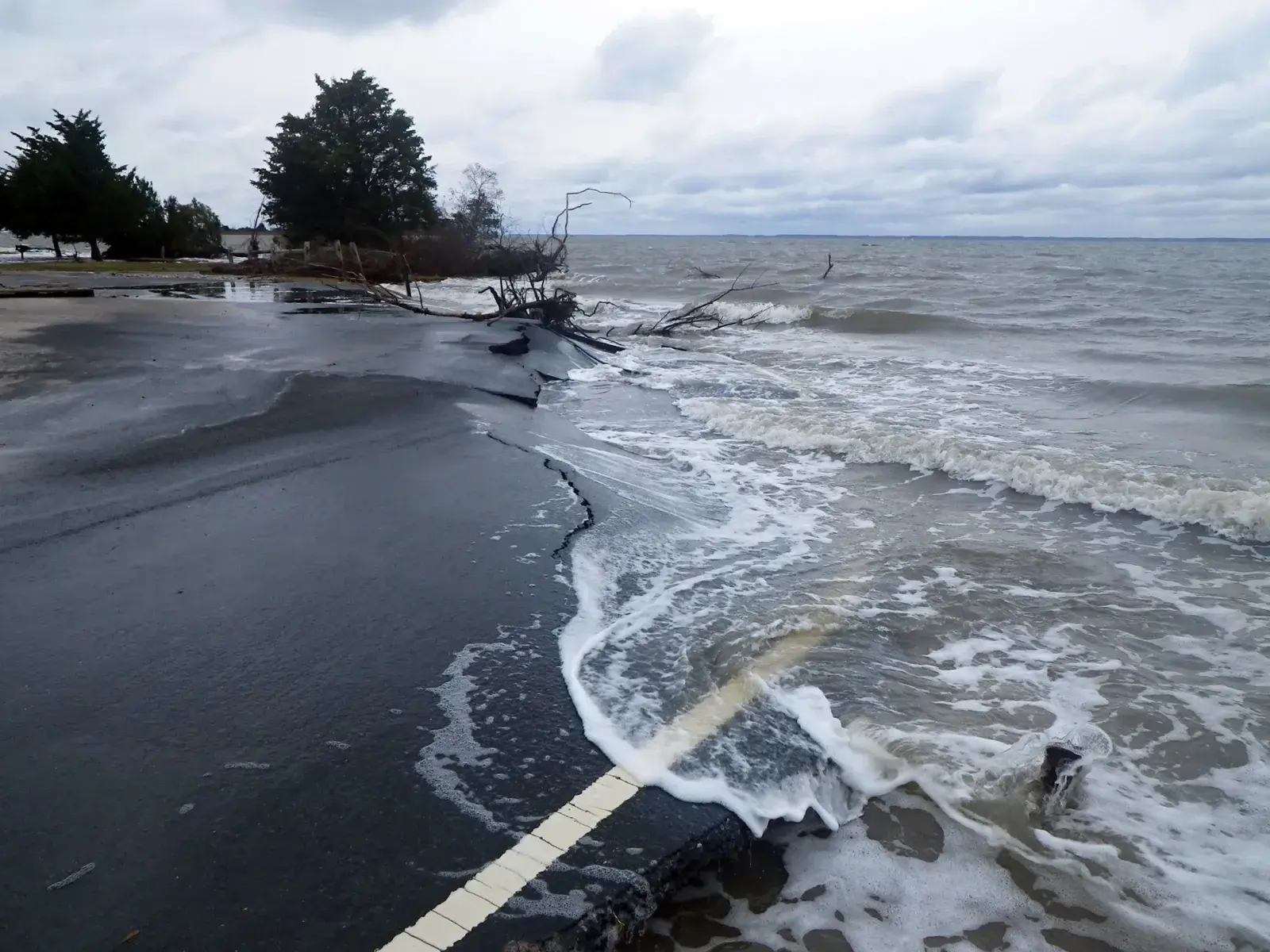
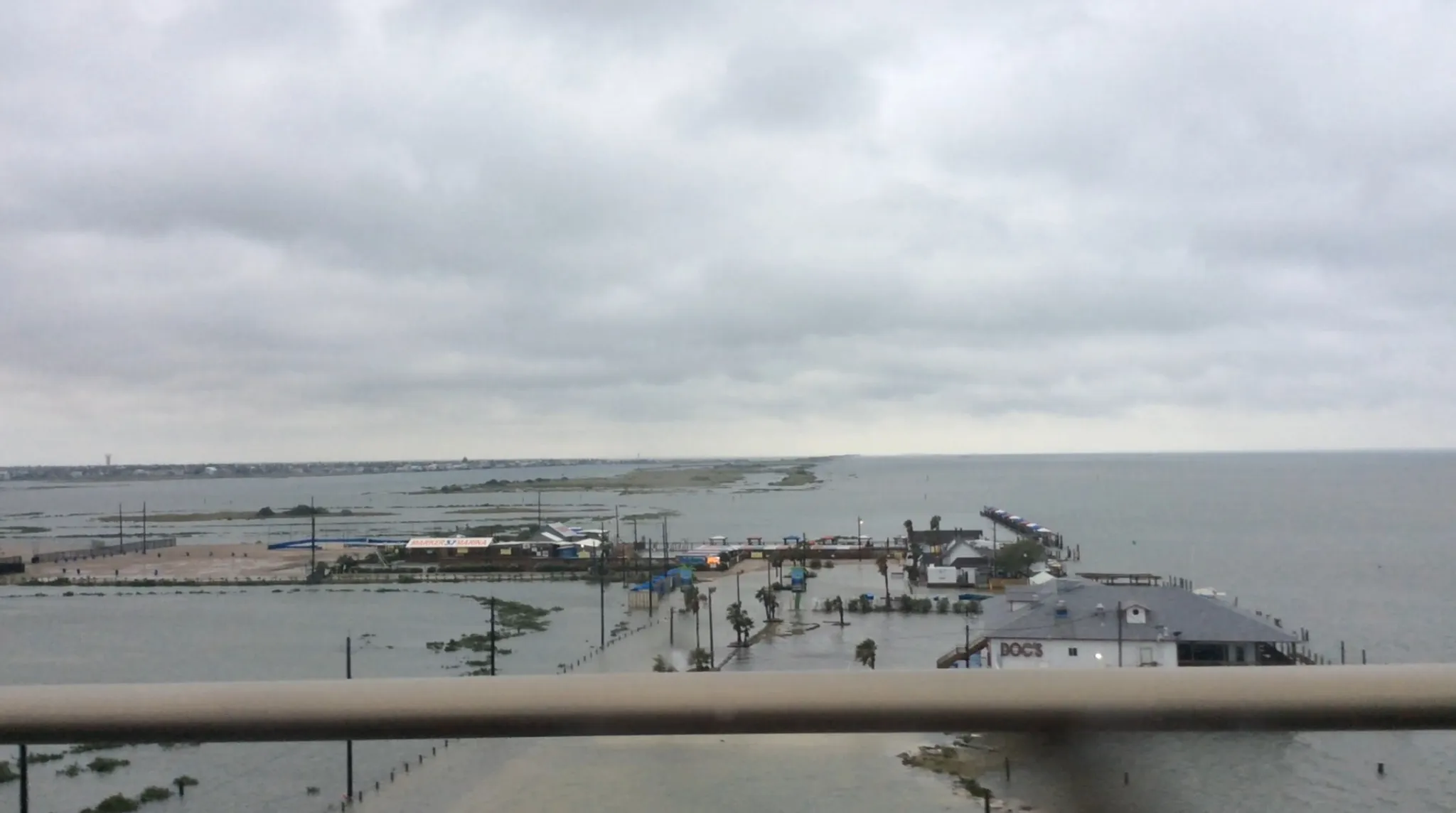
Coastal flooding exacerbated by sea-level rise. Global sea levels have risen over 7 inches since 1900, accelerating storm surge impacts. (Credit: NPS, Public Domain)
The numbers are staggering. The International Organization for Migration (IOM) projects up to 200 million climate migrants by 2050 — a figure that could double if global emissions follow current trajectories. The United Nations Development Programme (UNDP) reports that over 14 million people are affected annually by coastal flooding alone. Each year, millions more lose ancestral land to drought, desertification, and intensifying storms.
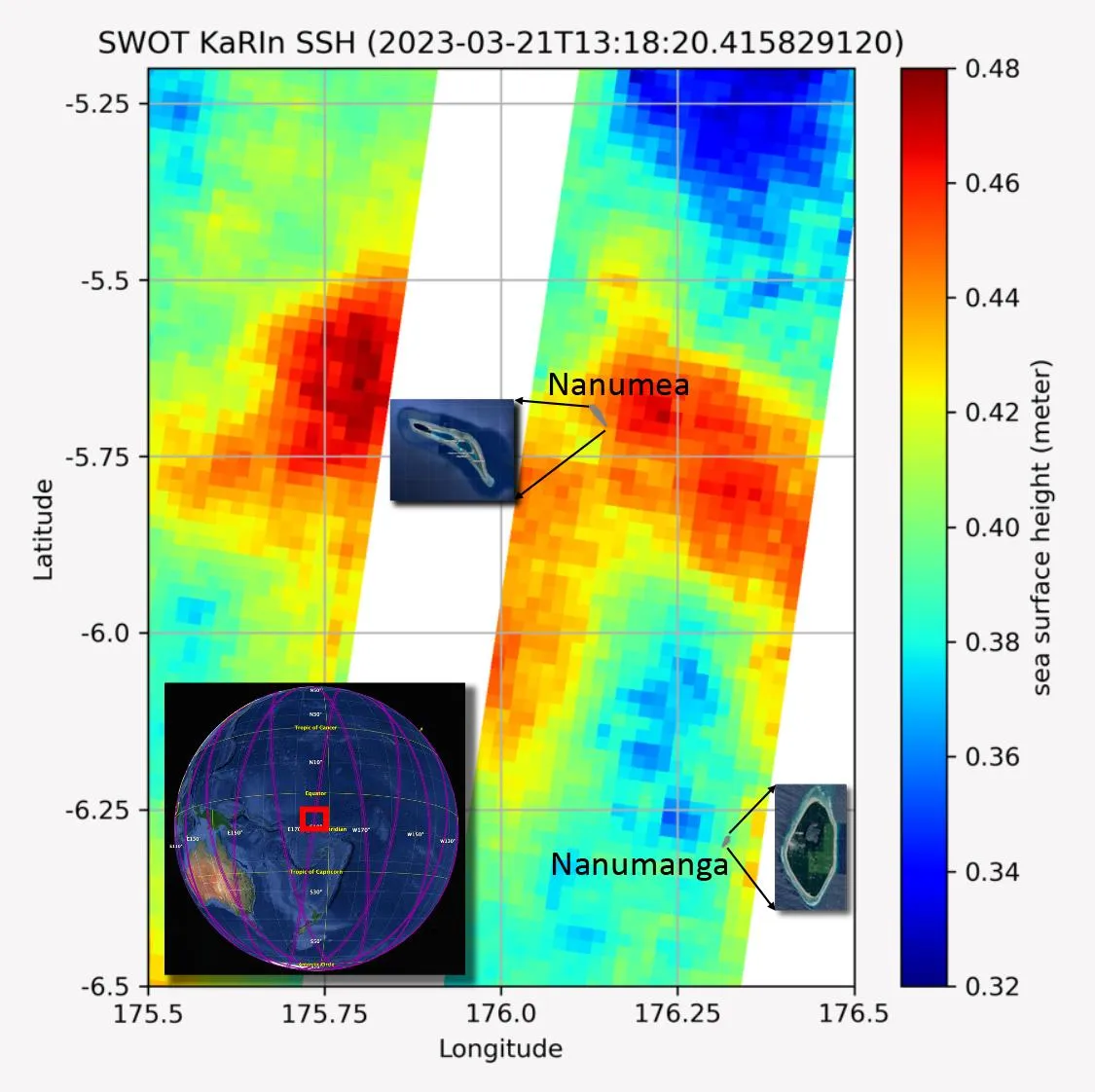
These are not distant projections. In Bangladesh, 17 million people could be displaced by a 1-meter sea-level rise. In the Pacific, entire island nations — Tuvalu, Kiribati, the Marshall Islands — face the existential prospect of sovereign territory ceasing to exist. In Africa's Sahel, millions are already moving as desertification advances southward.
Core Question: What happens when entire nations become uninhabitable? When territory — the very basis of sovereignty — disappears beneath the sea?
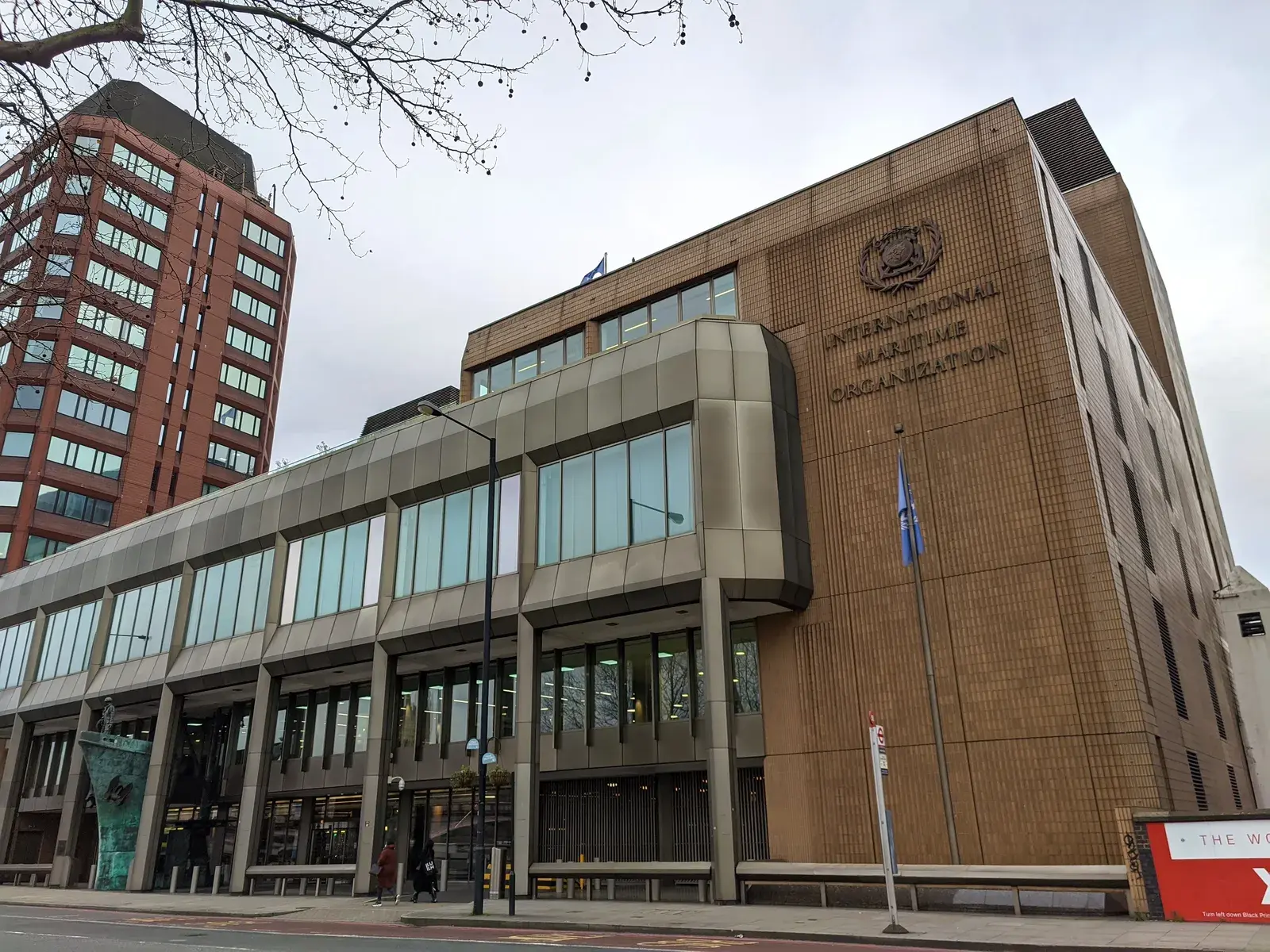
This lecture will first examine the International Maritime Organization itself — who it is, what it does, and why it matters for climate displacement. We will then explore the human and cultural dimensions of this crisis: the people who have no legal category to describe them, and the heritage that vanishes when communities are forced to move.